
Check out this article next

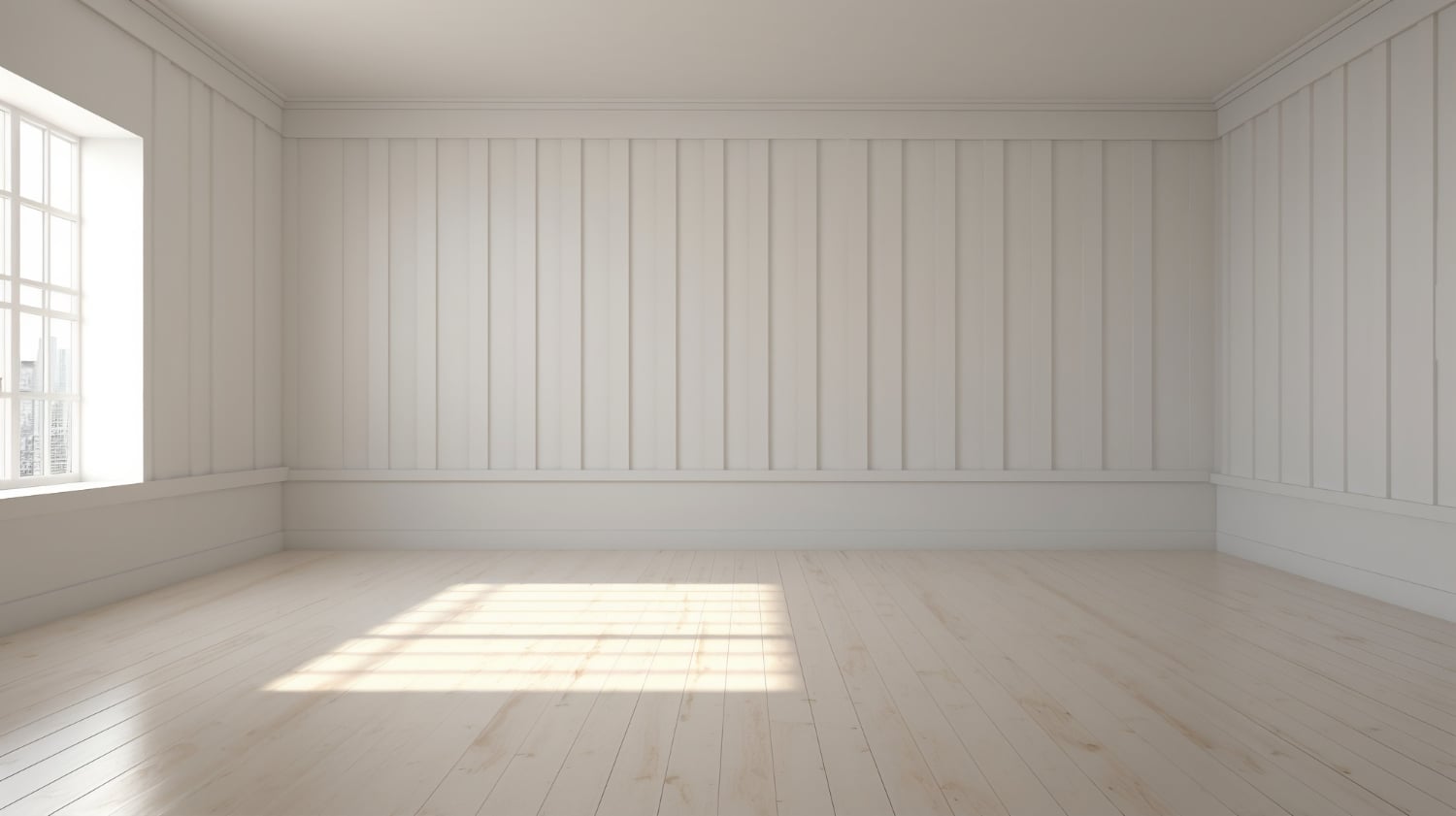
When selling a home, many homeowners believe an empty house allows buyers to imagine their own furniture and style. While that sounds logical, the reality is often the opposite. Vacant homes can unintentionally appear smaller, colder, and less inviting than furnished ones.
If you're preparing to sell, understanding how buyers perceive empty spaces can help you maximize your home's appeal and attract stronger offers.
Why Empty Homes Often Feel Smaller
It may seem strange, but furniture actually helps define a room's purpose and scale. Without sofas, dining tables, beds, or accent pieces, buyers lose important visual reference points.
Instead of focusing on how spacious a room is, many begin questioning whether their own furniture will fit.
A furnished living room immediately shows where conversations happen. A staged dining room demonstrates entertaining potential. A furnished primary bedroom helps buyers understand how comfortably the space accommodates a king-size bed and additional furniture.
Empty rooms leave those questions unanswered.
Buyers Struggle to Visualize the Space
Not everyone has the ability to mentally design a room.
Many buyers—especially first-time buyers—need visual guidance. When they walk into an empty house, they're forced to imagine layouts, furniture placement, and traffic flow all at once.
That extra mental work often creates uncertainty.
Instead of saying, "This room is perfect," they may wonder:
- Is this bedroom too small?
- Where would my couch go?
- Will my dining table fit?
- Is there enough room for a home office?
Every unanswered question introduces hesitation.
Vacant Homes Can Feel Cold and Uninviting
Buying a home is an emotional decision as much as a financial one.
Warm, inviting spaces help buyers picture themselves living there. Empty rooms often echo, feel sterile, and lack the emotional connection that inspires buyers to make an offer.
Professionally staged homes create a welcoming atmosphere that helps buyers imagine family gatherings, relaxing evenings, and everyday life.
That emotional connection can make a significant difference.
Staging Highlights a Home's Best Features
Furniture isn't just decoration—it directs attention.
Professional staging can emphasize:
- Open floor plans
- Large windows and natural light
- High ceilings
- Fireplaces
- Built-in shelving
- Architectural details
- Functional layouts
Instead of wondering how a room works, buyers immediately understand its purpose.
Online Listings Matter More Than Ever
Today's buyers usually discover homes online before scheduling a showing.
Vacant rooms often photograph poorly because there are few visual elements to create depth and scale.
Professionally staged homes typically produce more attractive listing photos that:
- Capture attention while buyers scroll
- Increase online engagement
- Encourage more showing requests
- Keep buyers viewing listing photos longer
Great first impressions frequently begin long before buyers arrive at the property.
Virtual Staging Can Be a Smart Alternative
Physical staging isn't always necessary.
Virtual staging allows empty rooms to be digitally furnished in listing photos, giving buyers a better understanding of the home's possibilities while keeping costs relatively low.
When done professionally, virtual staging can dramatically improve online marketing without requiring furniture to be moved into the home.
Not Every Room Needs to Be Staged
If full-home staging isn't practical, prioritize the rooms buyers value most:
- Living room
- Kitchen
- Dining area
- Primary bedroom
- Home office (if applicable)
These spaces have the biggest influence on buyer perception and often deliver the greatest return.
The Psychology Behind Buyer Decisions
People naturally compare what they see.
A beautifully staged home feels complete, functional, and move-in ready. An empty home—even one in excellent condition—can feel unfinished.
That subtle psychological difference often affects how buyers perceive value.
In competitive markets, presentation can influence how quickly a home sells and whether multiple offers are received.
Work With an Agent Who Understands Buyer Psychology
Selling a home isn't simply about listing it online—it's about creating an experience buyers remember.
An experienced real estate agent understands how staging, photography, pricing, and marketing work together to generate interest and maximize offers.
Whether through professional staging, virtual staging, or strategic marketing, showcasing your home's full potential can help it stand out from the competition.
If you're planning to sell, partnering with a knowledgeable real estate professional can help you present your home in the best possible light and attract serious buyers from day one.