
Check out this article next

When buyers think about where they want to live, they aren't just searching real estate websites anymore. They're scrolling Instagram, watching TikTok videos, exploring YouTube neighborhood tours, reading Facebook community groups, and following local businesses.
That means a neighborhood's reputation is increasingly being shaped online.
A single video can introduce thousands of people to a community they've never considered. Photos of restaurants, parks, walkable streets, community events, and beautiful homes can make an area feel desirable almost overnight. At the same time, negative conversations and unflattering content can influence how potential buyers perceive a location before they ever visit.
So, can social media really make or break a neighborhood's appeal? While it can't change the fundamental realities of a local real estate market, it can have a powerful influence on buyer awareness, perception, and demand.
Buyers Are Discovering Neighborhoods Through Social Media
In the past, buyers often learned about neighborhoods through their real estate agent, friends and family, or their own familiarity with an area.
Today, discovery can happen with a swipe.
A buyer might come across a video titled "Best Neighborhoods for Young Professionals," "Hidden Gem Communities Near Downtown," or "Affordable Places to Live Near [City]."
Suddenly, a community that wasn't even on their radar becomes part of their home search.
This is particularly important for lesser-known neighborhoods. Social media can give these communities exposure that traditional real estate marketing might never have achieved.
A Neighborhood's Digital Reputation Matters
People increasingly research major decisions online, and choosing where to live is no exception.
Search for almost any community and you'll likely find photos, videos, local business reviews, community discussions, real estate listings, news stories, and opinions from current or former residents.
Together, this information creates a digital reputation.
A neighborhood with an active restaurant scene, attractive parks, beautiful streets, popular local businesses, and frequent community events may look especially appealing online.
For buyers unfamiliar with the area, those impressions can influence whether they decide to learn more—or keep scrolling.
Social Media Sells a Lifestyle, Not Just a Location
One reason social media is so influential in real estate is that it communicates lifestyle extremely well.
A listing might tell buyers that a home is five minutes from downtown. A short video can actually show them what that downtown experience looks like.
They can see people walking to coffee shops, dining outside, visiting farmers markets, enjoying trails, attending community events, or spending time in local parks.
That creates an emotional connection.
Instead of simply evaluating a house, buyers begin imagining what their daily routine could look like if they lived there.
For many buyers, that lifestyle connection can be just as important as the home's physical features.
Local Businesses Can Boost Neighborhood Appeal
Restaurants, coffee shops, boutiques, entertainment venues, gyms, and other local businesses can play an important role in how a community is perceived.
When these businesses develop strong social media followings, the surrounding neighborhood benefits from additional exposure.
Someone might initially visit an area because they saw a restaurant on Instagram. During that visit, they notice the homes, parks, architecture, and overall atmosphere.
Later, when it's time to buy a home, the community is already familiar.
Social media allows neighborhood amenities to become marketing tools for the entire area—even when no one is intentionally marketing the neighborhood itself.
Viral Content Can Put an Area on the Map
Real estate content has become a major category across social platforms.
Home tours, cost-of-living comparisons, relocation videos, neighborhood rankings, and "what you can buy for $500,000" videos can generate enormous attention.
When a particular neighborhood appears repeatedly, buyer awareness can grow quickly.
This doesn't necessarily mean home prices will suddenly increase because of a viral video. Property values are influenced by much broader factors, including inventory, local employment, interest rates, property condition, location, and comparable sales.
However, increased visibility can bring more potential buyers into the conversation.
And when sustained attention contributes to stronger demand in a limited-inventory market, that demand can become meaningful for sellers.
Negative Social Media Can Shape Perceptions Too
Social media isn't always positive for a neighborhood.
Complaints about traffic, construction, development, maintenance issues, noise, infrastructure, or other local concerns can spread quickly through community groups and social platforms.
The challenge is that online conversations don't always provide complete context.
One person's negative experience can receive thousands of views and potentially influence someone who has never visited the area.
That's why buyers should be careful about making major real estate decisions based entirely on social media.
Online content can be useful for discovering communities and identifying questions to research, but it shouldn't replace firsthand experience or reliable local information.
Buyers Should Look Beyond the Highlight Reel
Social media naturally favors visually interesting content.
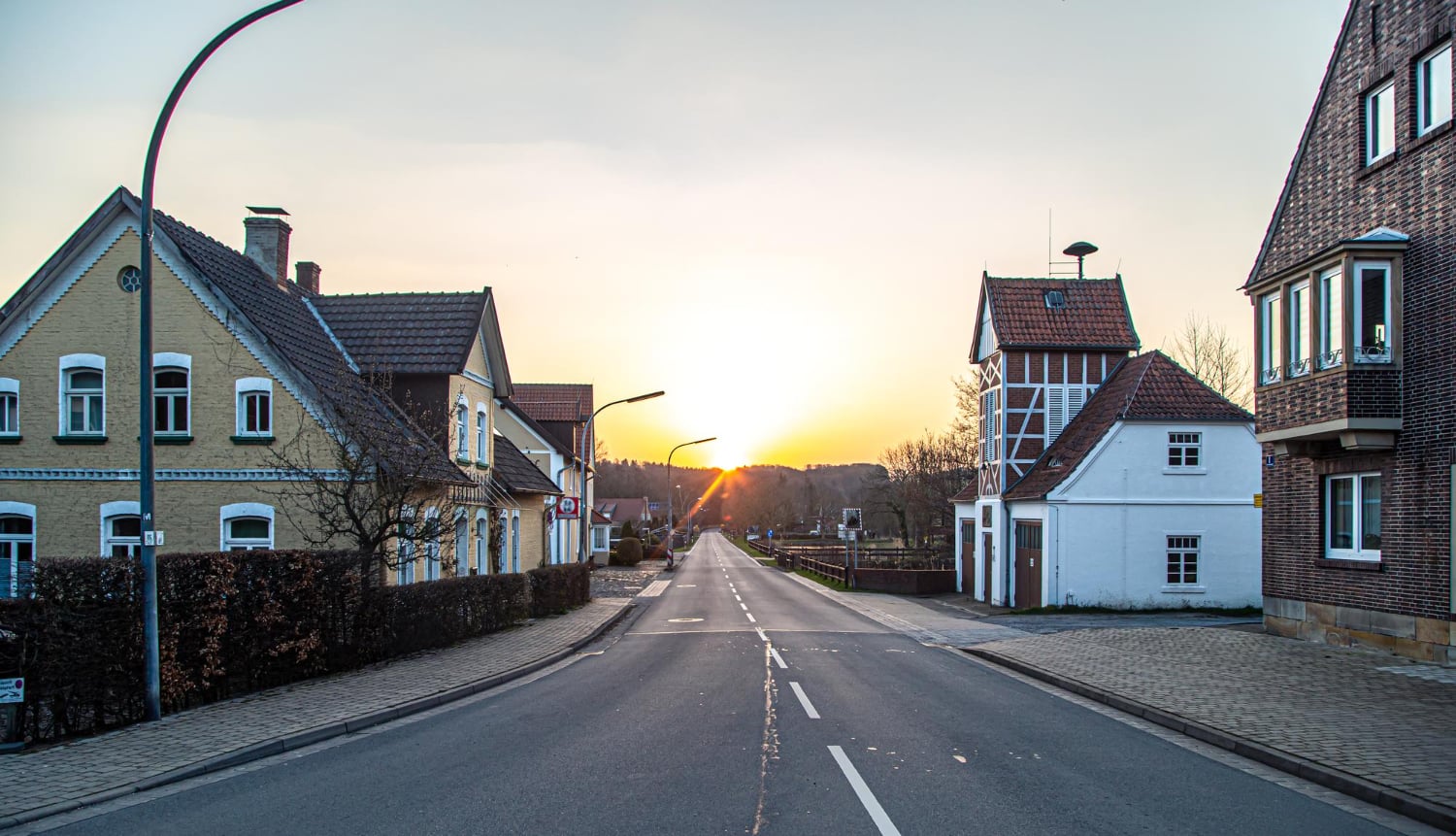
Beautiful sunsets, charming streets, trendy restaurants, renovated homes, and community festivals make compelling videos.
Everyday realities aren't always as exciting to post.
Buyers should investigate practical factors that may affect their experience and long-term investment, including commute times, property taxes, insurance costs, housing inventory, future development, homeowners association requirements, and overall affordability.
Visiting the area at different times of day can also provide valuable perspective.
The goal isn't to ignore social media. It's to use it as one part of a larger neighborhood research process.
Sellers Can Benefit From Neighborhood Marketing
For homeowners preparing to sell, social media's influence creates an important marketing opportunity.
A home's location can be one of its strongest selling points.
Instead of marketing only bedrooms, bathrooms, square footage, and upgrades, sellers and their real estate agents can highlight what buyers can experience outside the property.
Depending on the community, that might include:
- Walkable restaurants and shops
- Parks and recreational areas
- Trails and outdoor activities
- Local events
- Entertainment districts
- Nearby shopping
- Community amenities
- Convenient commuting routes
These features help potential buyers visualize the lifestyle associated with the property.
A strong real estate marketing strategy doesn't simply sell the house. It helps sell the experience of living there.
Can Social Media Affect Home Values?
Social media doesn't directly determine a home's market value.
An appraiser isn't going to increase a home's value simply because the neighborhood is trending on TikTok.
However, social media can influence buyer attention.
If online exposure consistently introduces more buyers to a community and those buyers begin actively competing for limited housing inventory, increased demand can contribute to market momentum.
The distinction is important.
Social media may influence perception and demand, but long-term property values are still supported by fundamental factors such as location, housing supply, economic conditions, amenities, development, property characteristics, and comparable sales.
Online popularity may create the spark. The underlying market determines whether that interest lasts.
The Best Neighborhoods Have More Than Online Hype
A viral moment can bring attention to a community, but sustainable neighborhood appeal usually comes from something deeper.
Buyers ultimately want places that fit their priorities.
That could mean walkability, larger yards, shorter commutes, strong community amenities, access to recreation, convenient shopping, or simply getting more home for their budget.
Social media can help buyers discover these qualities, but it doesn't create them.
The neighborhoods that remain desirable over time are generally those that continue providing real value to the people who live there.
What This Means for Today's Buyers and Sellers
Social media has become another layer of the modern real estate market.
For buyers, it offers an incredible way to discover communities they might otherwise overlook. But online popularity should be the beginning of neighborhood research—not the end.
For sellers, it creates new opportunities to showcase what makes their location special. Great real estate marketing can connect the property itself with the restaurants, recreation, amenities, and lifestyle buyers want.
In a market where buyers often form their first impressions online, the digital story surrounding a neighborhood matters more than ever.
Thinking About Buying or Selling a Home?
Whether a neighborhood is trending online or quietly attracting more buyers, local market knowledge can help you understand what's really happening behind the social media buzz.
If you're considering buying or selling, our real estate team can help you evaluate neighborhood trends, current home values, buyer demand, and the factors that could influence your next move.
Contact us today to learn more about the local real estate market and discover what opportunities may be available in your neighborhood.