

Check out this article next
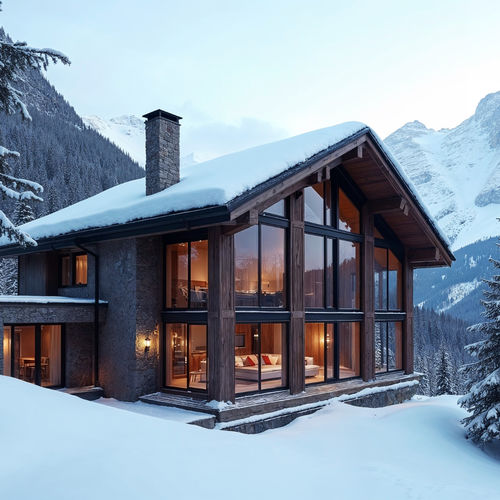
For decades, proximity to work defined where Americans lived. Short commutes, urban hotspots, and quick access to downtown jobs shaped entire markets. But in 2026, that rulebook has officially changed. Today’s buyers—across multiple generations—are willingly moving farther from major job centers in exchange for space, affordability, lifestyle perks, and long-term value.
This trend, known as The Great Commute Shift, is reshaping suburban, exurban, and even rural real estate markets nationwide. If you’re preparing to buy or sell in 2026, understanding this shift can give you a major advantage.
Why the Commute No Longer Comes First
1. Remote & Hybrid Work Is Now the Norm
By 2026, hybrid schedules are no longer a perk—they’re an expectation. Many buyers commute only a few times a week, and some not at all. With less daily travel, the pressure to live near the office has eased, allowing buyers to widen their search radius.
2. Bigger Homes for the Same—or Lower—Price
Living farther out can drastically increase the amount of home a buyer can afford. Larger yards, extra bedrooms, bonus rooms, and modern upgrades become accessible when housing demand lowers beyond urban cores.
Buyers aren’t just looking for a home—they’re looking for value, and more distance often delivers it.
3. Lifestyle Takes Priority Over Location
Today’s buyers place a higher value on:
- Peaceful neighborhoods
- Access to nature
- Walkable small towns
- Community amenities
- Safer and quieter streets
The shift from “Where is it?” to “How will we live there?” is driving many families to choose lifestyle over commute time.
Who Is Leading the Great Commute Shift?
Millennials Entering Their Peak Buying Years
Millennials—now raising families—want more bedrooms, home offices, and yard space. They’re more willing than ever to trade city convenience for long-term comfort.
Gen Z Buyers Seeking Affordability
Gen Z comes into the market price-conscious and sees outer-ring markets as the only path to homeownership.
Remote Professionals Prioritizing Home Quality
Buyers working from home want quiet neighborhoods, larger living areas, and flex spaces—conditions easier to find outside urban centers.
How This Shift Impacts Sellers in 2026
If you’re selling a property outside a major city, this trend plays in your favor. Buyers are looking precisely for what suburban and exurban homes offer:
- More space for the money
- Modern upgrades
- Spacious backyards
- Home office potential
- Family-oriented layouts
Highlighting lifestyle features—local parks, low noise levels, good schools, and community amenities—can attract this new pool of buyers eager to move farther out.
How Buyers Can Make the Most of the Shift
If you’re planning to buy in 2026, expanding your search radius can unlock:
- Better value
- More housing options
- Less competition
- Larger lots and homes
- A higher quality of life
Work with a local real estate expert who knows fast-growing outer markets and emerging communities buyers may overlook.
Final Thoughts
The Great Commute Shift is redefining what “location” means in real estate. As remote work continues, buyers will prioritize lifestyle, value, and space over city proximity—reshaping markets in 2026 and beyond. Whether you’re buying or selling, understanding this trend helps you make a smart, informed move.