
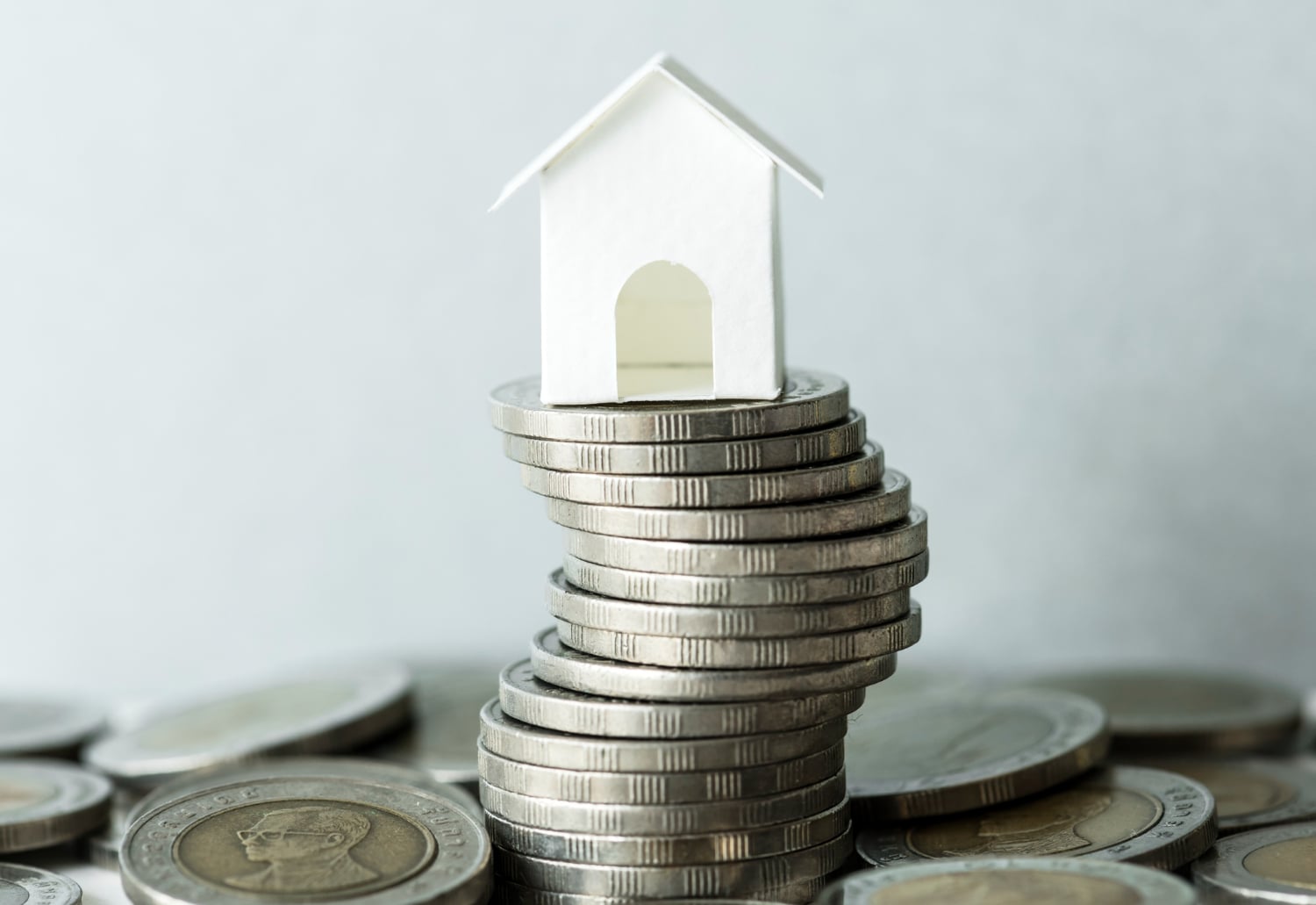
When buying a home, most people focus on the here and now — the perfect kitchen, the cozy backyard, or the commute to work. But smart buyers think ahead. A home isn’t just a place to live; it’s an investment. Whether you plan to stay for five years or fifteen, understanding the resale factor can help ensure your home maintains (and even increases) its value over time.
1. Location Still Reigns Supreme
It’s the oldest rule in real estate for a reason. Homes in desirable neighborhoods — close to good schools, job centers, parks, and amenities — consistently outperform others in long-term value. Look for areas showing signs of growth, such as new restaurants, retail, or infrastructure projects. Even if you pay a bit more now, that location premium often pays off later.
2. Focus on Timeless Design and Layout
Trends come and go, but smart floor plans endure. Open layouts, natural light, and functional spaces (like a dedicated home office) are features buyers consistently seek. Avoid overly customized designs that might appeal only to a niche group — the broader your home’s appeal, the higher your resale potential.
3. Quality Over Quantity
A smaller home built with solid materials and thoughtful craftsmanship can outperform a larger one with cheaper finishes when it’s time to sell. Buyers notice the difference in things like energy efficiency, durable flooring, and upgraded windows. Quality upgrades often offer the best return on investment over time.
4. Don’t Over-Improve
While renovations can boost value, there’s a ceiling for every neighborhood. Over-investing in high-end features that don’t match surrounding homes may not yield the return you expect. Instead, focus on strategic updates that improve functionality, curb appeal, or efficiency — like kitchen refreshes, new roofing, or updated HVAC systems.
5. Watch the Local Market Trends
Every market has its rhythm. Research local sales data, price trends, and development plans to understand what drives demand in your area. If you’re in a growing community or near a new business district, chances are your property value will benefit from rising demand in the years ahead.
6. Consider the Curb Appeal Factor
First impressions count — for both buyers and appraisers. A well-maintained exterior, manicured landscaping, and inviting entryway can significantly influence perceived value. A modest investment in your home’s appearance today can translate into a stronger offer tomorrow.
Final Thoughts
When purchasing a home, think beyond the listing price. Choose a property that fits your lifestyle and stands the test of time. By prioritizing location, quality, and timeless design, you can enjoy your home now — and profit from it later.
Check out this article next