
Check out this article next

For years, listing photos were the most important part of online real estate marketing. Beautiful images helped buyers imagine themselves in a home and often determined whether they scheduled a showing.
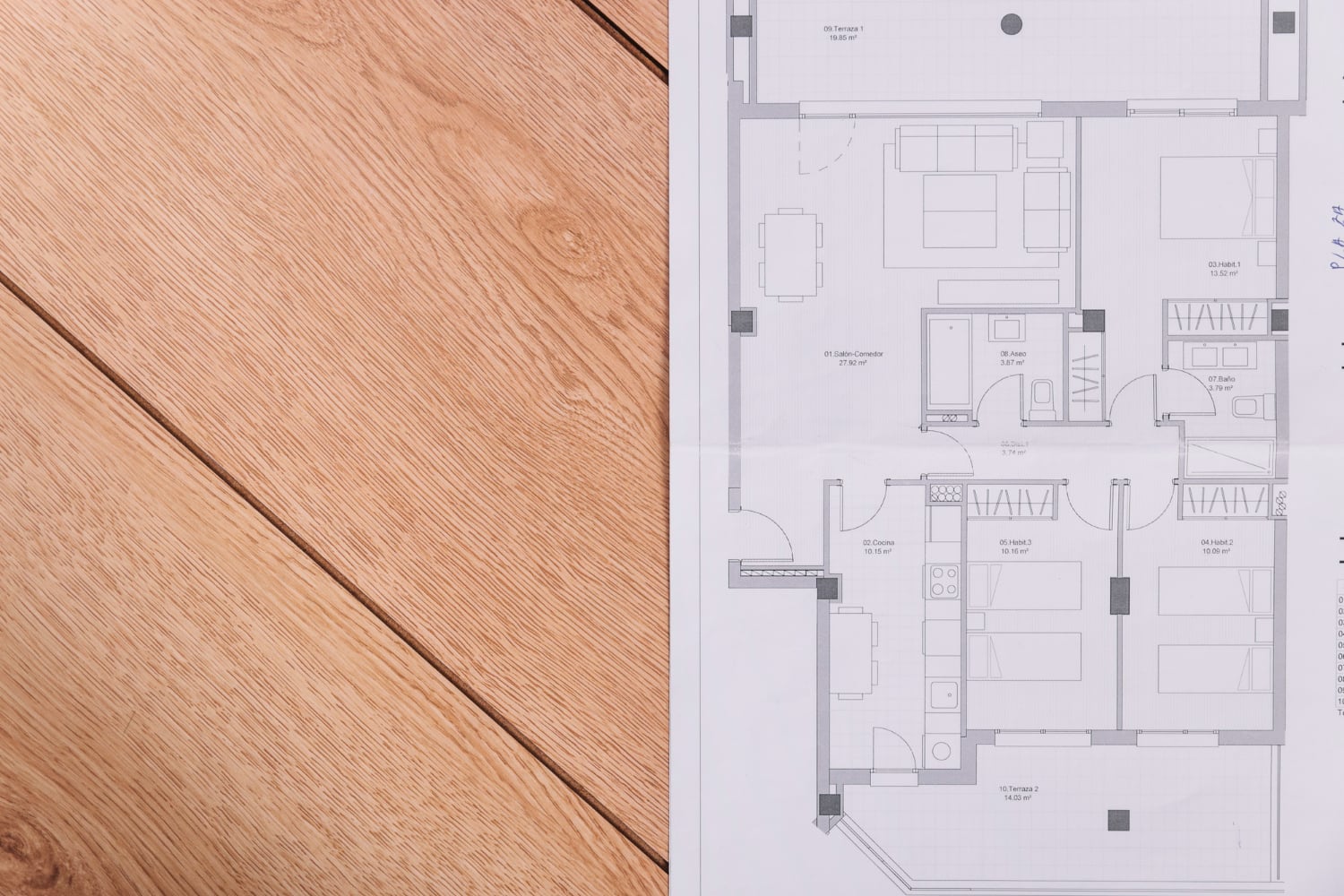
But in 2026, something interesting is happening in the home search process. More buyers are evaluating floor plans before they spend time studying photos.
With faster browsing habits, mobile-first searches, and a growing demand for functional living spaces, floor plans have become one of the most powerful decision-making tools in real estate listings.
In many cases, buyers are deciding whether a home works for them within seconds of looking at the layout.
Let’s explore why floor plans are now being judged faster than listing photos and how this shift is changing the way homes are marketed.
Buyers Want to Know If the Layout Works Immediately
When buyers browse listings online, they often review dozens of homes in a short period of time. Because of this, they’ve become very efficient at eliminating properties that don’t fit their needs.
Instead of studying photos first, many buyers now ask one key question:
“Does this floor plan work for my lifestyle?”
A floor plan instantly answers important questions like:
- Is the kitchen open to the living room?
- Are the bedrooms split or grouped together?
- Is there a home office or flex space?
- How large is the primary suite?
- Is there a functional flow between rooms?
If the layout doesn’t fit their needs, buyers often move on quickly—no matter how beautiful the home may look in photos.
Lifestyle Layouts Matter More Than Ever
Modern buyers are placing greater emphasis on how a home functions day-to-day, not just how it looks.
The rise of remote work, hybrid schedules, and multigenerational living has increased the importance of thoughtful layouts.
Buyers are now prioritizing features such as:
- Dedicated home offices
- Open-concept kitchens and living spaces
- Flexible bonus rooms
- Split bedroom designs for privacy
- Guest suites or in-law spaces
- Outdoor living connections
A floor plan quickly reveals whether these features exist, which is why many buyers evaluate layouts before they even click through photos.
Floor Plans Help Buyers Visualize the Home Faster
Photos can sometimes be misleading. Wide-angle lenses, creative angles, and staged furniture can make it difficult to understand how rooms actually connect.
Floor plans provide something photos cannot: clarity.
They allow buyers to immediately understand:
- Room sizes and proportions
- How spaces connect
- Traffic flow through the home
- Where natural gathering spaces exist
This makes it much easier for buyers to imagine how they would move through the home and live in the space.
Mobile Home Searches Have Changed Buyer Behavior
Another reason floor plans have become so important is the shift toward mobile-first home searches.
Many buyers now browse listings on their phones while commuting, relaxing in the evening, or scrolling between other activities.
Because screen space is limited, buyers often prefer information that can be processed quickly. A well-designed floor plan can communicate the entire layout in seconds, while photos require more time to interpret.
This efficiency is why floor plans are increasingly influencing first impressions of a property.
Buyers Are Eliminating Homes Faster
The modern home search process is incredibly fast.
Some studies suggest buyers spend less than a minute reviewing a listing before deciding whether to explore further.
In that short window, floor plans can make or break a buyer’s interest.
For example, a buyer may instantly eliminate a home if they notice:
- The primary bedroom is next to a noisy living space
- The kitchen is isolated from the main living area
- The layout lacks a workspace or flex room
- Bedrooms are too close together for privacy
These decisions happen quickly—often before buyers scroll through the entire photo gallery.
The Rise of “Function-First” Home Shopping
In today’s market, many buyers are prioritizing function over finish.
They’re asking questions like:
- Can this home support remote work?
- Is there space for kids, guests, or hobbies?
- Does the layout support entertaining?
- Are there quiet areas for privacy?
A home with a great layout can often outperform a home with beautiful finishes but a less practical design.
This shift explains why floor plans have become one of the most valuable tools in real estate listings.
What This Means for Home Sellers
For homeowners preparing to sell, the growing importance of floor plans highlights the value of presenting a home clearly and strategically.
If possible, sellers should consider including:
- A professional floor plan graphic
- Room dimensions
- Clear descriptions of how spaces function
- Marketing that highlights flexible rooms and layout benefits
When buyers can quickly understand the flow and functionality of a home, they are more likely to schedule a showing.
Floor Plans + Photos: The Best Marketing Combination
While floor plans are becoming increasingly influential, they work best when paired with high-quality listing photos and video tours.
The most effective listings typically include:
- Professional photography
- Detailed floor plans
- Virtual tours or walkthrough videos
- Lifestyle-focused marketing
Together, these tools give buyers a complete understanding of the home before they visit in person.
The Bottom Line
In 2026, buyers are making faster and more informed decisions than ever before.
Instead of relying solely on beautiful photos, many are evaluating floor plans first to determine whether a home fits their lifestyle.
For sellers, this means that layout and functionality are becoming just as important as visual presentation.
And for buyers, it means finding the right home may start with a simple question:
“Does the floor plan work for the way we live?”