

Check out this article next
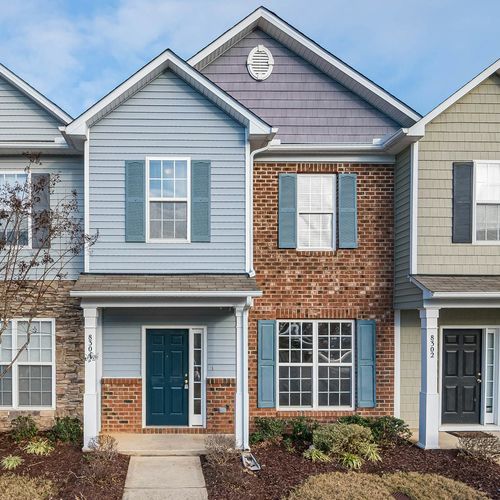
For years, homebuyers have been trained to focus on one thing above all else: price. While budget absolutely matters, many buyers discover after moving that the “perfect deal” does not always create the perfect lifestyle. In today’s real estate market, smart buyers are shifting their focus away from simply finding the cheapest option and instead choosing homes that support how they actually live every day.
If you are searching for a home in today’s market, it may be time to stop asking, “How much house can I afford?” and start asking, “How do I want my life to feel?”
Why Price Alone Can Lead to Buyer Regret
A lower-priced home may seem like a win upfront, but it can create hidden costs that impact your happiness, routine, and long-term satisfaction.
Some common examples include:
- Long daily commutes
- Lack of nearby amenities
- Poor school districts
- Limited storage or workspace
- Difficult layouts for growing families
- Neighborhoods that do not fit your lifestyle
- Higher future maintenance costs
Many buyers realize too late that saving money upfront sometimes means sacrificing convenience, comfort, or quality of life later.
Your Daily Routine Matters More Than Ever
The best home is not always the largest or the cheapest. It is the one that works with your everyday lifestyle.
Before buying a home, think carefully about how you spend your time each day.
Questions Buyers Should Ask Themselves
- How long do I want my commute to be?
- Do I work remotely and need a home office?
- Do I enjoy entertaining guests?
- How important is walkability?
- Do I need outdoor space for kids or pets?
- Am I close to family, schools, or activities?
- Do I want a quiet neighborhood or a more active community?
- How much storage and functionality do I need?
These lifestyle questions often have a bigger impact on long-term happiness than the purchase price itself.
The Rise of Lifestyle-Driven Home Buying
Across the country, lifestyle-driven buying trends are reshaping the real estate market.
Buyers are prioritizing convenience, flexibility, and emotional comfort over simply maximizing square footage.
Today’s buyers are looking for:
- Homes near restaurants, parks, and entertainment
- Flexible floor plans
- Dedicated work-from-home spaces
- Energy-efficient homes
- Low-maintenance living
- Communities that support their hobbies and routines
This shift is especially noticeable among younger buyers, remote workers, and families looking for a better work-life balance.
Location Impacts Daily Stress Levels
One of the biggest mistakes buyers make is underestimating how location affects their everyday experience.
A cheaper home farther away may look appealing online, but daily traffic, long drives, and limited convenience can quickly become exhausting.
A home that saves you 30 minutes per day in commuting time gives you back:
- More family time
- Less stress
- Better work-life balance
- More flexibility
- Improved overall quality of life
Over time, that lifestyle value can outweigh small differences in purchase price.
Why Functionality Beats Square Footage
Many buyers assume bigger is always better. In reality, smart layouts often outperform larger homes with wasted space.
A well-designed home can make everyday living easier by offering:
- Open living areas
- Better storage solutions
- Natural lighting
- Practical kitchen layouts
- Flexible bonus rooms
- Outdoor living spaces
Instead of focusing only on total square footage, buyers should pay attention to how a home actually functions during daily life.
Think Long-Term, Not Just Right Now
Your current needs matter, but your future lifestyle matters too.
When buying a home, consider:
- Future family plans
- Career changes
- Aging parents
- Remote work flexibility
- Lifestyle goals
- Long-term resale value
Buying a home that supports your future can help you avoid costly moves later.
Emotional Connection Still Matters
The best homes are not always the ones that check every technical box. Sometimes, buyers walk into a home and instantly feel comfortable, relaxed, and at ease.
That emotional connection matters because your home affects your mood, productivity, and overall well-being every single day.
A home should support the life you want to build — not just fit inside a spreadsheet.
Final Thoughts
Price is important, but it should never be the only factor driving your home purchase decision. The right home improves your daily life, reduces stress, supports your goals, and creates a lifestyle you genuinely enjoy.
As the market evolves, buyers are realizing that convenience, comfort, functionality, and lifestyle fit often deliver far more long-term value than simply finding the lowest price.
If you are planning to buy a home, focus less on chasing the cheapest option and more on finding the home that truly works for your everyday life.