

Check out this article next
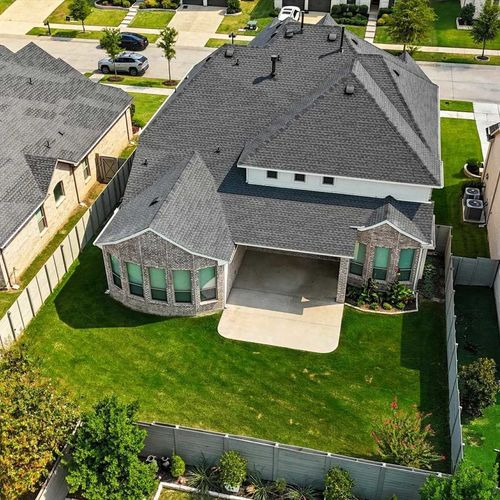
Buying a home isn't just about finding the right property at the right price. Today's buyers are looking more closely at the total cost of homeownership, and one expense is getting attention earlier in the process: homeowners insurance.
Before submitting an offer, more buyers are researching insurance costs, coverage availability, and potential property risks. What once felt like a detail to handle before closing can now influence whether a buyer moves forward with a home at all.
Here's why checking homeowners insurance before buying a house is an important step in making a confident real estate decision.
Why Home Insurance Costs Matter More to Buyers
A home's listing price is only part of its true cost. Mortgage payments, property taxes, maintenance, and homeowners insurance all contribute to monthly housing expenses.
Insurance premiums can vary significantly depending on the property's location, age, condition, construction materials, and exposure to risks such as flooding, hurricanes, or wildfires.
A home that appears affordable based on its asking price may become less attractive once insurance expenses are included.
That's why buyers are increasingly considering insurance costs alongside mortgage rates and property taxes when evaluating affordability.
1. Buyers Are Requesting Insurance Quotes Earlier
Instead of waiting until they're under contract, buyers can contact insurance providers before making an offer to get preliminary estimates.
This allows them to better understand their potential monthly housing expenses and identify possible coverage challenges.
Getting an early insurance quote can help buyers avoid surprises that could affect their financing or overall budget.
However, preliminary quotes aren't guaranteed. Final premiums and coverage may change after underwriting, inspections, or additional property information becomes available.
2. The Home's Age and Condition Can Affect Coverage
Insurance companies evaluate several property characteristics when determining eligibility and premiums.
Older roofs, outdated electrical systems, aging plumbing, and previous damage can influence coverage options.
For buyers considering older homes, understanding these factors before submitting an offer can help them prepare for potential repairs or additional expenses.
A beautifully updated interior doesn't necessarily mean the home's major systems meet an insurer's requirements.
3. Location Can Influence Insurance Affordability
Two similarly priced homes in different neighborhoods may have very different insurance costs.
Properties in areas exposed to severe weather, flooding, or other environmental risks may face higher premiums or limited coverage options.
Buyers should also understand that standard homeowners insurance generally doesn't cover flood damage, which may require a separate policy.
Researching location-specific risks can provide a clearer picture of the property's long-term affordability.
4. Insurance Costs Can Change a Buyer's Offer Strategy
When buyers discover that a property may carry higher insurance expenses, they may reconsider their budget or how much they're comfortable offering.
For example, a home with an aging roof might require both a higher insurance premium and a future replacement expense.
These costs can influence negotiations, repair requests, or whether a buyer chooses to move forward.
Rather than focusing only on the purchase price, buyers are evaluating the complete financial picture.
5. Sellers Should Pay Attention, Too
Homeowners preparing to sell should understand how insurance-related concerns may influence buyer confidence.
An older roof, deferred maintenance, or missing documentation for major improvements could raise questions during the buying process.
Sellers can prepare by addressing known maintenance issues, gathering permits and records for completed upgrades, and providing accurate property disclosures.
Taking care of potential concerns before listing can make the home easier for buyers to evaluate and may help prevent delays during the transaction.
What Buyers Should Check Before Making an Offer
Before committing to a property, consider reviewing:
- Estimated homeowners insurance premiums
- Roof age and overall property condition
- Flood zone information and potential flood insurance needs
- Previous damage and available property disclosures
- Insurance deductibles and coverage exclusions
- Whether the property meets lender insurance requirements
Comparing quotes from multiple insurance providers can also help buyers understand their options.
Final Thoughts: Look Beyond the Listing Price
A home's affordability isn't determined by its purchase price alone. Insurance costs, property condition, and location-specific risks can all influence the true cost of ownership.
By researching homeowners insurance before making an offer, buyers can avoid unexpected expenses and make more informed decisions.
For sellers, understanding these concerns can help position a property more effectively in today's real estate market.
Thinking about buying or selling a home? Our real estate team can help you evaluate properties, understand local market conditions, and navigate the process with greater confidence.